The vast majority of physicians (94 percent) and hospital leaders (90 percent) believe mobile technology improves patient safety and outcomes, according to a survey conducted by Black Book.
Researchers have developed an algorithm capable of predicting low blood pressure that could occur during surgery with 84 percent accuracy. Findings were published June 11 in Anesthesiology.
For every 10 percent rise in negative social media encounters, individuals experience a 20 percent increase in their risk of depression, according to a study published June 6 in Depression and Anxiety.
Pediatrician Mona Hanna-Attisha, MD, recounts her experiences during the Flint water crisis in 2015—and how she discovered children were being poisoned—in an article published in The New York Times.
Nearly three-fourths of life science professionals believe their sector is behind others in the development of artificial intelligence (AI), according to a survey conducted by the Pistoia Alliance.
Researchers from Brigham and Women's Hospital in Boston have developed “surgery in a pill” to treat type 2 diabetes by lowering blood glucose levels after a meal. The newly developed approach was outlined in a study published June 11 in Nature Materials.
Federal Communications Commission (FCC) Chairman Ajit Pai introduced a draft order to increase funding allocated to the Universal Service Fund’s Rural Health Care Program.
It stands to reason oversight from an experienced colleague could help reduce mistakes from greener individuals. But increased supervision of medical residents by attending physicians during patient rounds did not significantly reduce the number of medical errors, according to a study published June 4 in JAMA Internal Medicine.
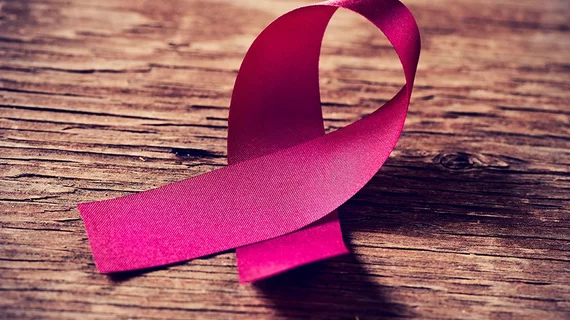
Researchers from the New York University Rory Meyers College of Nursing have found machine learning using real-time symptom reports to be accurate in identifying lymphedema early in breast cancer patients. Findings were published in the May 2018 issue of mHealth.