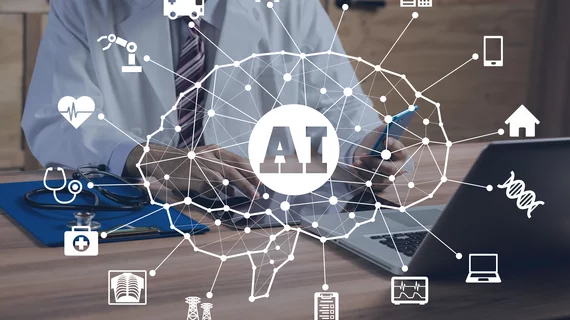
Microsoft is launching a regional hub for AI, Internet of Things and data science in Louisville, Kentucky, according to Mayor Greg Fischer, with a focus on collaborating with partners in healthcare and manufacturing.
A year ago, U.S. military researchers presented an algorithm that can tell an individual how much caffeine to consume, and when, to achieve optimal alertness. Now they’ve turned the technique into a freely available tool for “designing effective strategies to maximize alertness while avoiding excessive caffeine consumption.”
Cancer patients undergoing chemotherapy often share word of their adverse reactions to the drugs in online health forums. Researchers at Stanford have used natural language processing to mine these posts, accurately flagging detrimental side effects well before clinical journals advise caution.
A convolutional neural network has proven better than traditional equations, indexes and scoring systems at predicting which hospitalized patients will face readmission not long after being sent home.
The vast majority of healthcare executives––89%––are experimenting with emerging technologies such as AI, according to Accenture’s Digital Health Technology Vision report.
Whether or not its pending $68 billion purchase of Aetna gets finalized, CVS Health will pump big bucks into broadening its menu of healthcare services and personalizing them for consumers. And a key component of its plan is a data-analytics strategy steeped in AI.
UCLA Health is synthesizing vast amounts of data by deploying new Microsoft cloud computing services, Microsoft Azure, that will speed up medical discoveries and improve patient care.