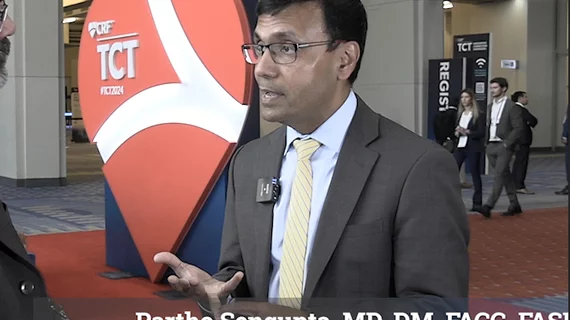
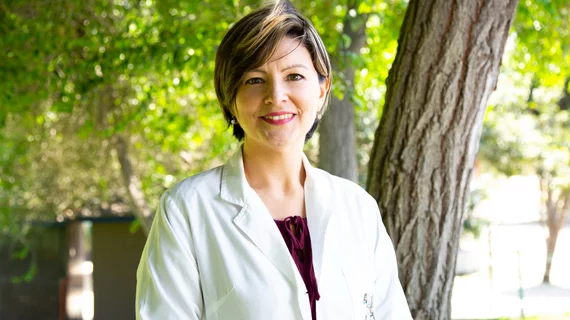
Partho Sengupta, MD, shared his perspective on the current state of artificial intelligence in cardiology. The technology continues to evolve, he said, though it does still face certain limitations.
AI shines in radiology when tasked with interpreting images of patients whose odds of illness are either very high or very low. In these cases, the technology could help mitigate burnout and supplement staffing.
By automating repetitive tasks and ensuring consistent “QC,” well-deployed AI not only unburdens healthcare professionals but also sets new standards for efficiency and reliability in medical practice.
The advanced machine learning model tracks more than 50 different factors to make its predictions. It has already been found to be more accurate than popular prediction methods for heart disease that are currently available.
As AI continues its march through healthcare organizations around the world, the notion that it will replace the sector’s human workers fades but does not disappear.