Microsoft CTO Kevin Scott surely didn’t see the coronavirus coming when he was writing his new book on AI. But with the title’s April 7 release, he’s perceiving the pandemic as equal parts threat and opportunity.
Computer scientists in Canada and the U.S. have built an AI-powered search engine for clinicians and researchers engaged in the battle against COVID-19.
Jefferson Health, the 14-hospital system serving the Philadelphia area, is using a new conversational chatbot to take questions from members of the community looking for information on COVID-19.
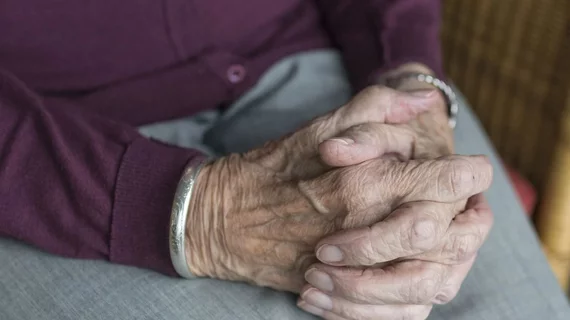
Stanford researchers had been working for years on an AI-powered system to monitor elderly patients at home when the coronavirus outbreak became a global crisis. Now their work is not just nifty but needed.
A new deep learning algorithm can evaluate 134 different skin disorders, predicting malignancy and recommending key treatment options, according to new findings published in the Journal of Investigative Dermatology.
Representatives from the two companies emphasized that its effectiveness is still being validated. At this stage, it is to be used for research purposes and not as a diagnostic tool.
Mayo Clinic Jacksonville in Florida is relieving overstretched hospital workers by toting medical supplies, including COVID-19 tests, in driverless shuttles.
A tech giant is offering a free hand to healthcare experts working in various fields that could be tapping tireless AI rather than overworked humans to answer questions from the general public on COVID-19.
The images are rendered from CT scans and allow viewers to navigate the lungs in 360-degree tours, as demonstrated in a video podcast posted by George Washington University Hospital.