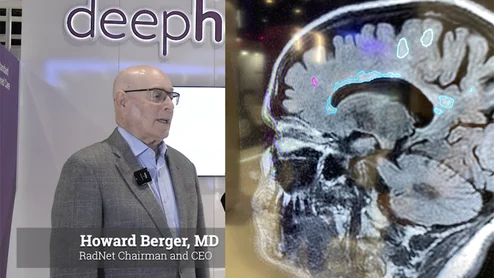
RadNet Chaiman and CEO Howard Berger, MD, explains why the company has invested tens of millions into DeepHealth to rapidly build up a new business model.
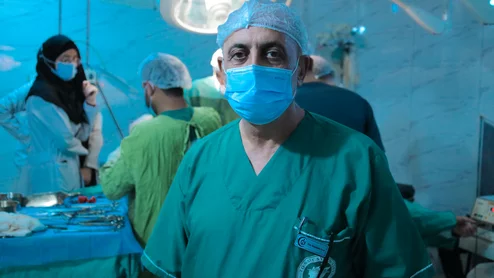
The largest healthcare system in the Middle East is partnering with Nvidia to decode the human genome. If successful, the AI-heavy project will translate almost the entire language of heredity into actionable information.
One of the AI haves feels the pain of the AI have-nots.His discomfort is especially pronounced when he thinks about how hard it must be for financial strugglers to keep up with regulations and rumors of regulations to come.
The AMA is imploring physicians to serve as ‘full partners’ with other AI stakeholders throughout the technology’s life cycle in relevantly equipped clinical devices.
It’s too soon to characterize the economic impact of AI across Western healthcare with anything more than rough guesstimates. This is so for two reasons.
Many Gen Z-ers pursuing careers in healthcare to avoid AI-related workforce shrinkage will learn a hard lesson: Job security and job satisfaction are two very different things.
There’s no shortage of technically impressive AI applications for primary care. Yet these tools tend to lag well behind AI models aimed at clinical specialties when it comes to integration into routine practice.
A new analysis published in Artificial Intelligence in Medicine argues that education tools are failing to show clinicians how to make use of new technologies, calling into question the benefit of rapid adoption.
RadNet Chaiman and CEO Howard Berger, MD, explains why the company has invested tens of millions into DeepHealth to rapidly build up a new business model.
The largest healthcare system in the Middle East is partnering with Nvidia to decode the human genome. If successful, the AI-heavy project will translate almost the entire language of heredity into actionable information.