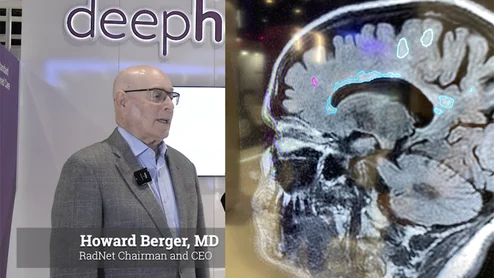
RadNet Chaiman and CEO Howard Berger, MD, explains why the company has invested tens of millions into DeepHealth to rapidly build up a new business model.
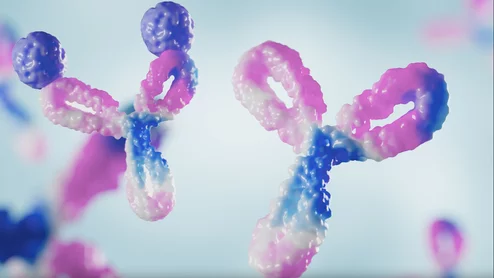
The largest healthcare system in the Middle East is partnering with Nvidia to decode the human genome. If successful, the AI-heavy project will translate almost the entire language of heredity into actionable information.
One of the AI haves feels the pain of the AI have-nots.His discomfort is especially pronounced when he thinks about how hard it must be for financial strugglers to keep up with regulations and rumors of regulations to come.
The AMA is imploring physicians to serve as ‘full partners’ with other AI stakeholders throughout the technology’s life cycle in relevantly equipped clinical devices.
‘If it weren’t for the intransigence of the American Medical Association, we’d be well on our way to fleets of AI doctors diagnosing diseases and prescribing treatments.’
Cardiac surgeons see significant value in AI's ability to assist clinicians with administrative tasks and patient selection. When it comes to making clinical decisions, however, there is still a certain amount of skepticism.
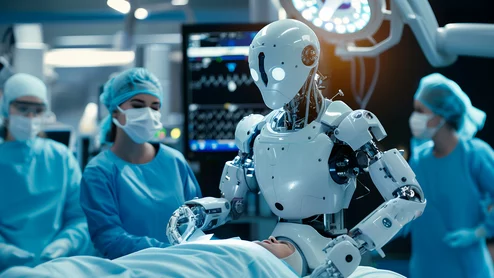
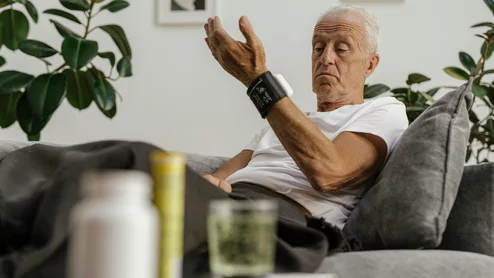
AI software embedded in video devices, wearables and sensors—not to mention actual patient monitors—can continuously track post-surgery patients in real time, sending predictive insights to care teams regardless of where they’re stationed.
RadNet Chaiman and CEO Howard Berger, MD, explains why the company has invested tens of millions into DeepHealth to rapidly build up a new business model.
The largest healthcare system in the Middle East is partnering with Nvidia to decode the human genome. If successful, the AI-heavy project will translate almost the entire language of heredity into actionable information.